 How-to
How to Repair a Damaged Skin Barrier and Calm Reactive Skin
Last Updated: November 21, 2026
Quick Summary
To repair a damaged skin barrier, stop all exfoliating acids and retinoids, wash with lukewarm water, and use a plain fragrance-free moisturizer with ceramides or glycerin. Wear sunscreen daily and keep your routine minimal, as fewer gentle steps help more than adding products.
- Signs include tightness after washing, stinging, lingering redness, flaking, and itching.
- Pause scrubs, peels, retinol, and vitamin C serums completely rather than reducing frequency.
- Wash once at night, pat skin dry, and apply moisturizer while skin is still damp.
- Expect stinging and tightness to decrease in week 1, with barrier function typically restored by week 6-8.
- Reintroduce one active at a time after a week of stability, patch testing first.
Table of Contents
- Damaged Skin Barrier Signs You Should Not Ignore
- How to Repair Skin Barrier Without Products
- Skin Barrier Repair Products for Face That Actually Help
- How Long Does Skin Barrier Repair Take?
- Building Your Gentle Recovery Routine with Bloom and Beauty by Daisy
- Frequently Asked Questions
Damaged Skin Barrier Signs You Should Not Ignore
The first step in how to repair damaged skin barrier is recognizing what a damaged barrier actually feels like. Your skin barrier is the outermost layer that holds water in and keeps irritants out. When it breaks down, the warning signs show up fast.
Watch for these damaged skin barrier signs:
- Tightness right after washing your face
- Stinging when you apply products that used to feel fine
- Redness that lingers longer than usual
- Flaking or rough patches that moisturizer cannot fix
- Itching, especially on the cheeks and jaw
- Increased sensitivity to products, water, or weather
One or two of these can be a normal off day. Several together, lasting more than a week, usually point to a compromised moisture barrier.
When It Is Something Else: Eczema, Rosacea, or Contact Dermatitis
Not every red, itchy face is simple barrier damage. Eczema brings intensely itchy, scaly patches, often in the creases of the face and body. Rosacea causes flushing and visible bumps across the center of the face (the American Academy of Dermatology). Contact dermatitis appears where a specific product touched your skin, and it can blister (the American Academy of Dermatology).
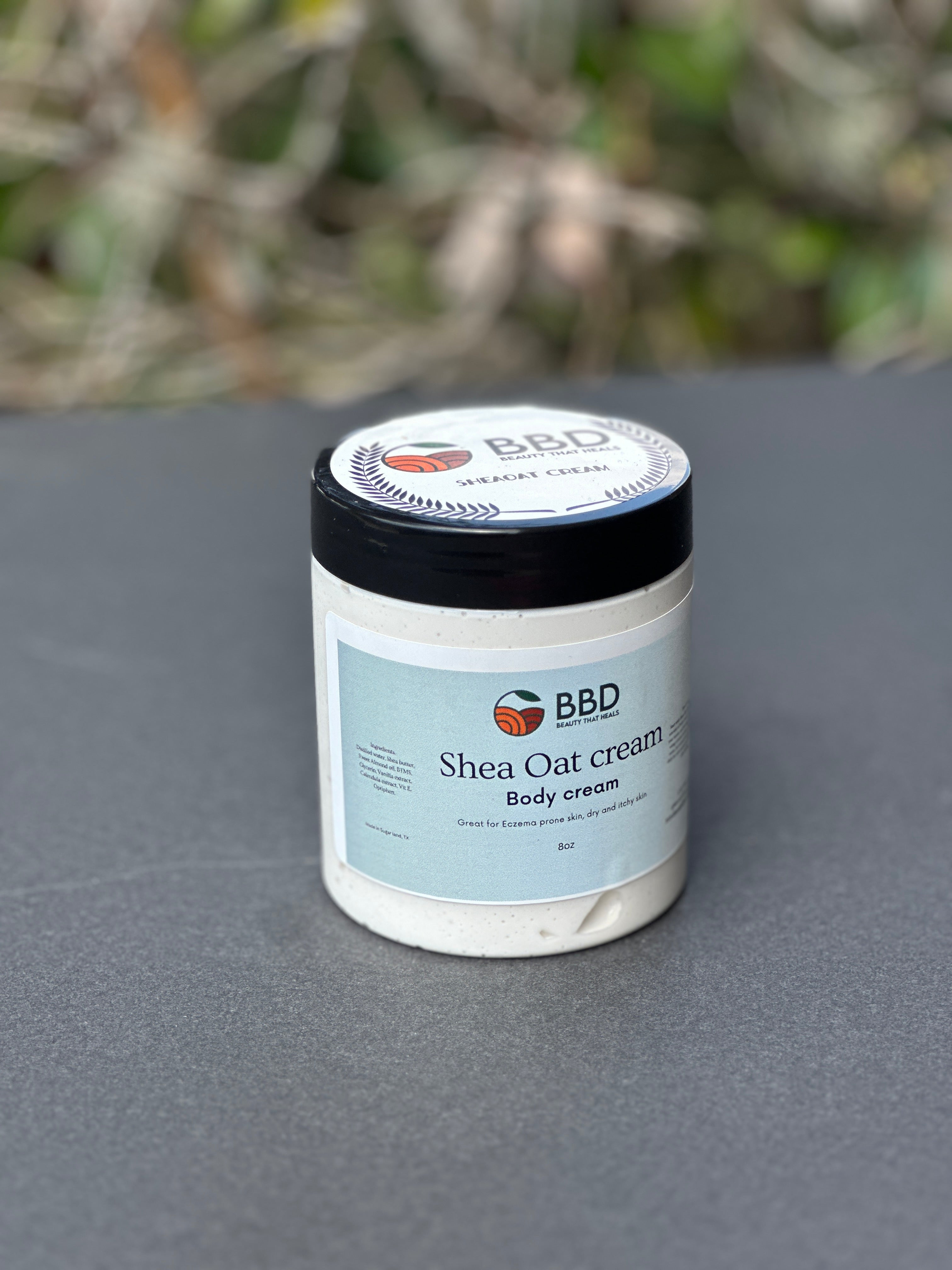
If symptoms are severe, spreading, or not improving with gentle care, see a dermatologist. For eczema-prone skin, our Shea Oat body cream is built to soothe and hydrate irritated areas while you get a professional opinion.
How to Repair Skin Barrier Without Products
You can start skin barrier recovery with nothing new to buy. The goal is to remove the irritants that caused the damage and give the outer layer time to rebuild its lipid matrix. The first couple of weeks often matter more than any single product.
Here is the simple version, with the reasoning behind each step:
- Pause all exfoliating acids and retinoids. No scrubs, no peels, no retinol, no vitamin C serums. These ingredients speed cell turnover and can thin the already-compromised outer layer. Stop them completely rather than reducing frequency.
- Wash with lukewarm water only on mornings when your skin feels raw. Water alone removes surface oil and sweat without stripping the lipids that hold moisture in.
- Skip hot showers. Heat dissolves sebum and worsens dryness. Keep showers short and lukewarm, and wash your face last so shampoo and conditioner residue does not sit on your skin.
- Do not over-wash. Once at night is enough for most people. Over-washing, even with a gentle cleanser, removes the natural moisturizing factors your barrier needs.
- Pat dry, never rub. Leave skin slightly damp before moisturizer so humectants can pull that water into the outer layer.
- Use the plainest moisturizer you own, fragrance-free if possible. See the label-reading criteria below.
- Wear sunscreen daily. Sun damage slows skin barrier repair and worsens redness.
A common mistake is adding more products to fix the problem. That usually makes it worse. Fewer steps, gentler steps.
A Product-Neutral Routine Using What You Already Own
You do not need a new regimen to start repairing your barrier. Pull out the products you already have and screen them against these criteria:
- Cleanser: fragrance-free, no sulfates high on the ingredient list, no exfoliating acids. A cream or gel cleanser that does not leave skin tight after rinsing is a reasonable choice.
- Moisturizer: look for ceramides, glycerin, or colloidal oats near the top of the ingredient list. Avoid added fragrance, essential oils, and alcohol denat.
- Sunscreen: broad-spectrum SPF 30 or higher. Mineral filters are often gentler on reactive skin.
- What to set aside: anything labeled exfoliating, clarifying, anti-aging with retinoids, or containing high concentrations of fragrance or essential oils.
If a product stings on application, stop using it until your skin feels stable. Stinging is a signal, not a hurdle to push through.
Watch out: "clean" or "natural" labeling does not mean gentle. Essential oils and botanical extracts can irritate a compromised barrier just as much as synthetic fragrance.
Skin Barrier Repair Products for Face That Actually Help
Once you cut back, add back only what supports the barrier. Look for fragrance-free formulas and short ingredient lists.
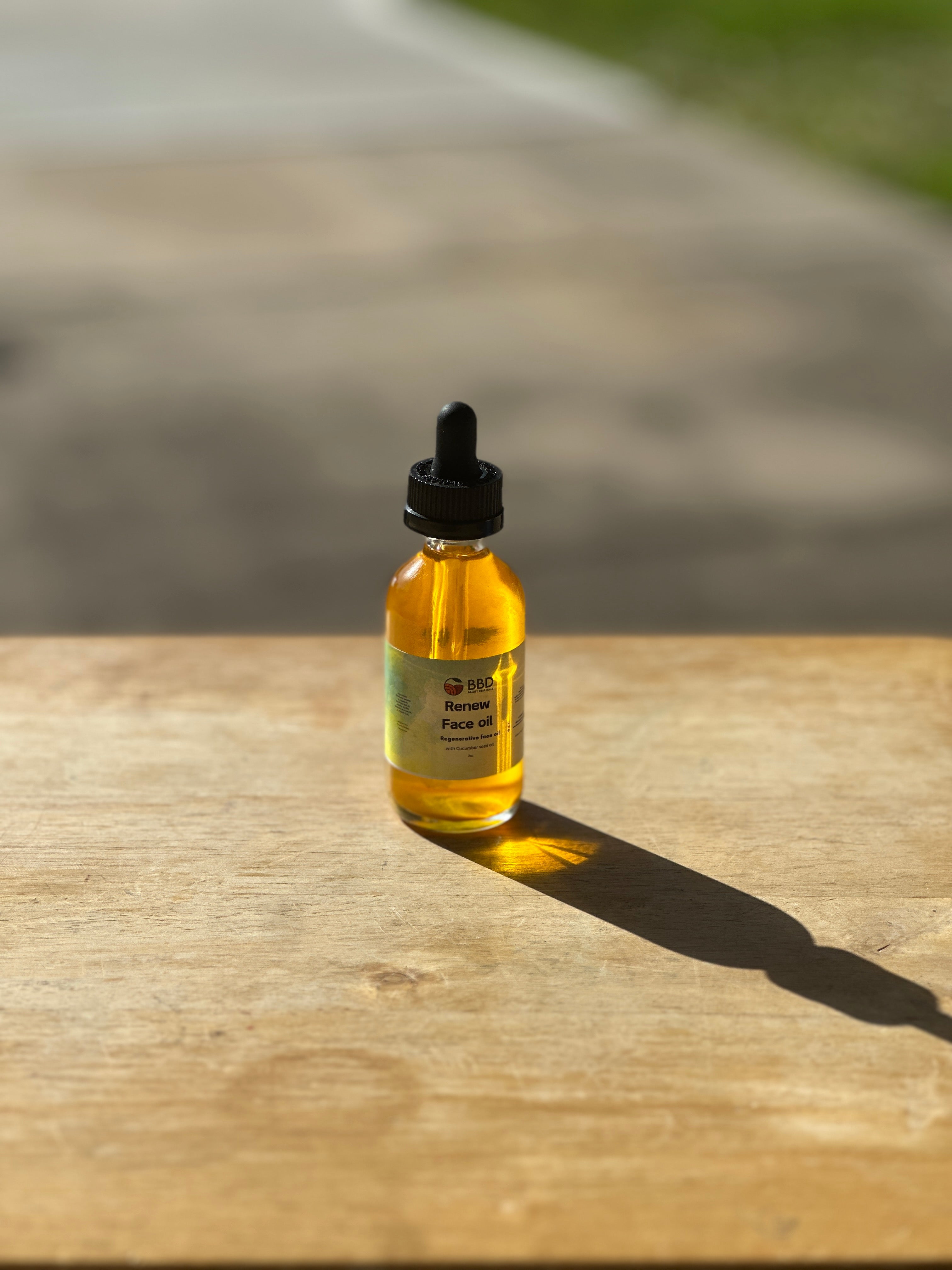
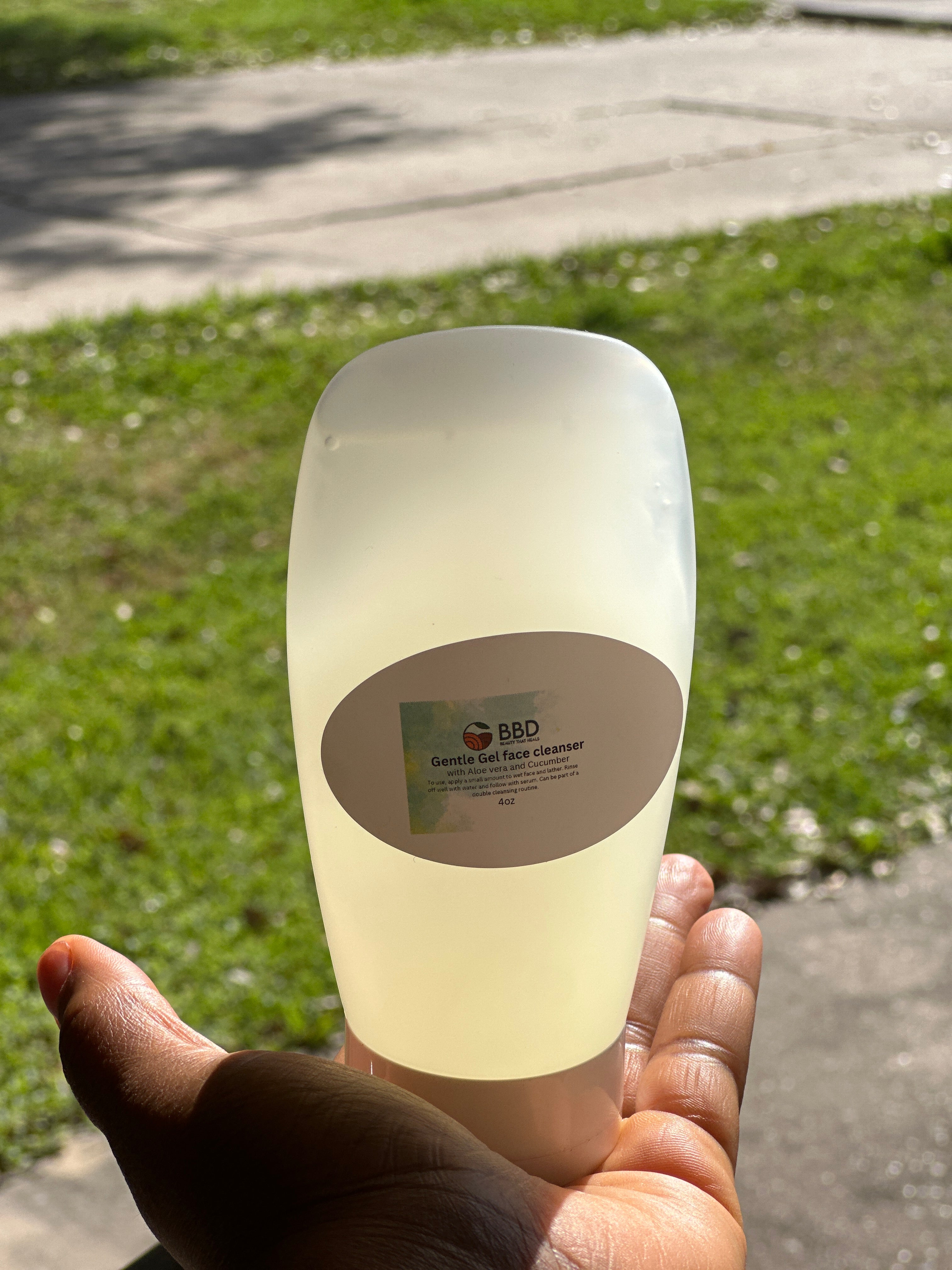
Our Gel face cleanser contains aloe vera extract and cucumber extract. Follow it with our Renew face oil, which contains rose hip oil and jojoba oil. You can browse the full face collection to build a gentle set.
Ingredients That Support Recovery
-
Ceramides: rebuild the lipid layer
-
Humectants like glycerin: pull water into skin
-
Emollients and occlusives: seal moisture in
How Long Does Skin Barrier Repair Take?
Recovery timelines vary from person to person, and irritation and damage differ in how long they take to settle. If symptoms persist, see a dermatologist.
A practical timeline with checkpoints helps you judge progress without expecting a rapid cure:
- Week 1: Stinging and tightness should begin to decrease. Skin may still flake. Keep the routine minimal and resist adding new products.
- Week 2-3: Flaking and tightness ease. Redness may still be visible but should be less intense. Products that previously burned should feel more tolerable.
- Week 4-6: Redness fades and most products stop burning. Skin feels less reactive to water and weather. This is the earliest point to consider reintroducing a single active.
- Week 6-8: Barrier function is typically restored. If symptoms have not improved by this point, or if they worsen, see a dermatologist to rule out eczema, rosacea, or contact dermatitis.
Reintroducing Actives Safely
Once your skin has been stable for at least a week, add one active back at a time. Start with a low concentration, once or twice a week, and wait two weeks before adding another. Patch test first on your jaw or inner forearm. If stinging returns, stop and go back to basics for another week.
A common pattern is to reintroduce retinoids before the barrier is fully recovered, which restarts the irritation cycle. Give each active a full two-week trial before judging whether it works for you.
Watch out: do not restart exfoliating acids and retinoids in the same week. If irritation returns, you will not know which product caused it.
Here is the recovery timeline the article lays out, with checkpoints to judge progress.
| Timeframe | What to expect |
|---|---|
| Week 1 | Stinging and tightness begin to decrease; skin may still flake |
| Week 2-3 | Flaking and tightness ease; redness less intense |
| Week 4-6 | Redness fades; most products stop burning; earliest point to reintroduce one active |
| Week 6-8 | Barrier function typically restored; see a dermatologist if no improvement |
Building Your Gentle Recovery Routine with Bloom and Beauty by Daisy
A recovery routine should feel calm, not clinical. At Bloom and Beauty by Daisy, we offer natural skincare and haircare solutions formulated with botanicals and plant extracts. You can learn more about our approach.
Your daily rhythm:
- Morning: lukewarm rinse, moisturizer, SPF
- Evening: gentle cleanser, face oil, moisturizer
- Weekly: nothing extra until skin feels stable
Rebuilding a damaged skin barrier takes patience, not products. If your skin flares easily and you want formulas built for sensitivity, we can help. Bloom and Beauty by Daisy offers gentle, botanical-based cleansers, face oils, and body creams designed to soothe reactive skin. Get started with Bloom and Beauty by Daisy and give your skin the calm, simple care it needs to recover.
Frequently Asked Questions
How to fix a badly damaged skin barrier?
Strip your routine back to three steps: a gentle, non-foaming cleanser, a barrier-supporting moisturizer applied to damp skin, and a mineral sunscreen in the morning. Stop all exfoliating acids, retinoids, and scrubs for at least two weeks. Use lukewarm water and pat dry instead of rubbing. Redness and stinging often ease over the following days to weeks, and fuller recovery takes longer. If symptoms worsen or do not improve, see a dermatologist.
What should you stop using when your skin barrier is damaged?
Pause exfoliating acids (AHA, BHA), retinoids, vitamin C serums, physical scrubs, clay masks, and any product with fragrance or drying alcohol. Skip foaming cleansers that leave skin tight. Also stop hot showers, washcloths, and over-washing. Reintroduce one product at a time after two weeks, patch testing on your jawline first. This pause is often the single biggest factor in how fast a damaged skin barrier recovers.
Can you repair your skin barrier without buying new products?
Yes. Cut actives, shorten showers to lukewarm water under five minutes, and use the plainest moisturizer you already own, applied within a minute of patting skin damp. Skip makeup on irritated areas where you can. Sleep and hydration matter too. If you have no fragrance-free moisturizer, a thin layer of plain petroleum jelly on dry patches works as an occlusive. New products help but are not required to start healing.
How long does skin barrier repair take?
Recovery time depends on how much the barrier was damaged, and it can take several weeks. Track improvement by reduced stinging and less tightness rather than appearance alone.