 How-to
How to Use Rosemary Hair Oil Without Greasy Roots
Quick Summary
To use rosemary hair oil without greasy roots, apply just two to three drops to the scalp, not the roots' surface, and wash it out within 20 to 30 minutes as a pre-wash treatment. Keep the oil off the crown and apply extra only to mid-lengths and ends.
- Dispense the oil into your palm first instead of pouring it straight onto the crown.
- Fine or oily hair should start with two to three drops, placed lightly on the scalp only.
- Use a pre-wash treatment applied 20-30 minutes before shampooing, rather than leaving oil in.
- Stop about a finger's width from the roots when smoothing oil onto the lengths.
- Use rosemary oil once or twice a week, since daily use raises the risk of buildup.
Table of Contents
- How to Use Rosemary Hair Oil Without Greasy Roots
- Why Rosemary Hair Oil Makes Roots Look Greasy
- How Much Rosemary Hair Oil to Use for Your Hair Type
- How to Apply Rosemary Oil to Hair Without Touching the Roots
- How Often to Use Rosemary Oil for Hair Growth
- Can You Leave Rosemary Oil in Your Hair Without Washing It?
- Is Rosemary Oil Good for an Oily Scalp?
- Fixing Greasy Roots and Booking Your Next Wash Routine
- Frequently Asked Questions
How to Use Rosemary Hair Oil Without Greasy Roots
Last Updated: November 22, 2026
Why Rosemary Hair Oil Makes Roots Look Greasy
At Bloom and Beauty by Daisy, we hear the same complaint again and again. Someone adds rosemary oil to their routine, feels hopeful for a week, and then notices their roots looking flat and shiny by the second day. The oil is working on the scalp, but it is also landing where it does not belong.
Rosemary hair oil is a light, plant-based oil, but any oil can make roots look greasy when too much sits on the scalp. The problem usually comes from three habits: using too much, applying it to the roots instead of the lengths, and leaving it on too long before washing.
- Too much oil sits on the scalp and soaks into hair near the part.
- Oil on the roots collects dust and sebum.
- Long contact time leaves residue that a single wash may not remove.
Watch out: Pouring oil straight onto the crown is the fastest way to end up with greasy roots. Dispense it into your palm first.
How Much Rosemary Hair Oil to Use for Your Hair Type
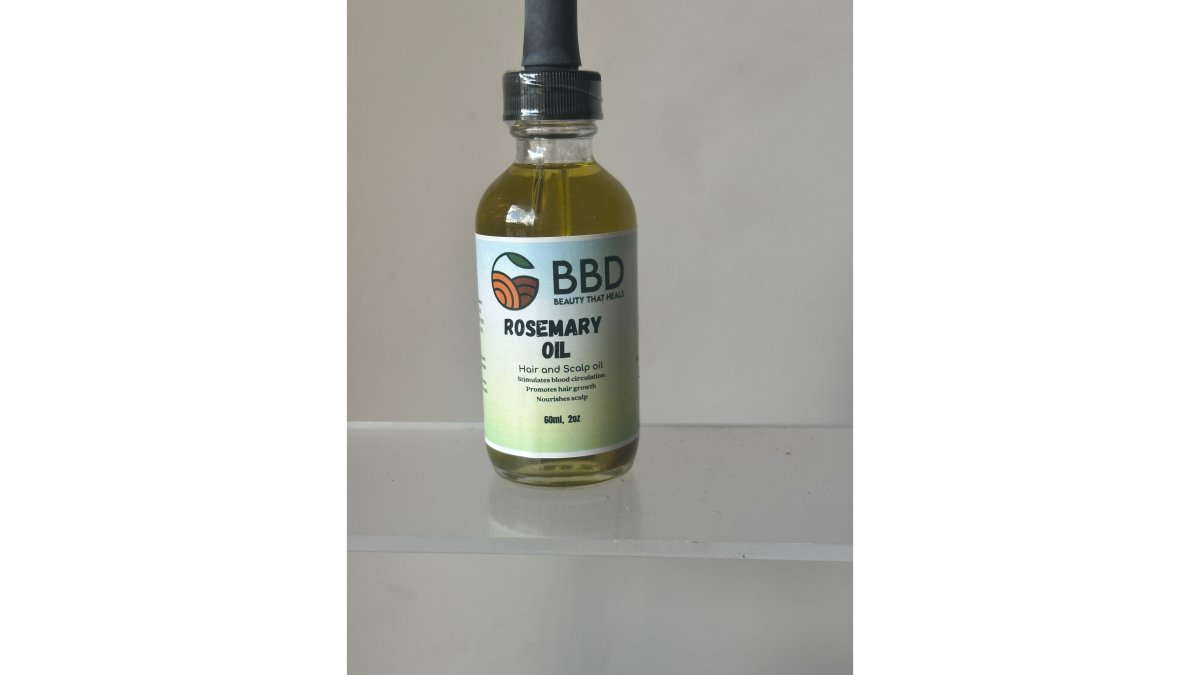
Start with fewer drops than you think you need. Our Rosemary Hair & Scalp Oil is designed to be applied with a few drops, and that is a good starting point for most people. The goal is not to coat the hair but to deliver a thin film of oil to the scalp skin, where it can be massaged in and later washed out.
The right amount depends on two separate variables: how much oil your scalp already produces and how dense your hair is. Fine hair shows oil faster because there is less hair mass to absorb it and because the strands sit closer to the scalp. Thick or coily hair can hold more oil without looking greasy, but it also traps oil near the scalp more easily, so placement matters as much as quantity.
Use this as a rough guide:
| Hair Type | Starting Amount | Where to Apply | Best Timing |
|---|---|---|---|
| Fine or oily | 2-3 drops | Scalp only, lightly | Pre-wash, 20-30 minutes |
| Medium, mixed | 3-5 drops | Scalp and mid-lengths | Pre-wash or short leave-in |
| Thick or coily | 5-8 drops | Scalp and ends | Overnight or pre-wash |
| Dry or damaged | 4-6 drops | Mid-lengths and ends | Pre-wash treatment |
Starting Amount
Fine hair shows oil faster, so begin with two drops and add more only if your scalp feels dry. Thick hair can absorb more, but still apply in small sections so the oil spreads evenly. If your scalp is oily but your ends are dry, split the application: one to two drops on the scalp and the rest on the ends, rather than using a single larger amount everywhere.
A common pattern is to measure the oil into the palm rather than dropping it directly onto the head. That gives you control over the amount and lets you warm the oil between your hands so it spreads more thinly. If you can see a visible sheen on the scalp after application, you have used too much for a pre-wash treatment and should either wash sooner or reduce the amount next time.
Watch out: Adding more oil to fix a dry-feeling scalp often backfires, because the dryness may come from shampoo residue or product buildup rather than a lack of oil. Clarify once before increasing the amount.
How to Apply Rosemary Oil to Hair Without Touching the Roots
Good application is mostly about placement.
- Part your hair into four or more sections and clip them up.
- Pour two to three drops into your palm and rub your hands together.
- Work the oil into the scalp using your fingertips, parting the hair as you go.
- Smooth the remaining oil along the mid-lengths and ends with your fingers or a wide-tooth comb.
- Stop about a finger's width from the roots on the lengths.
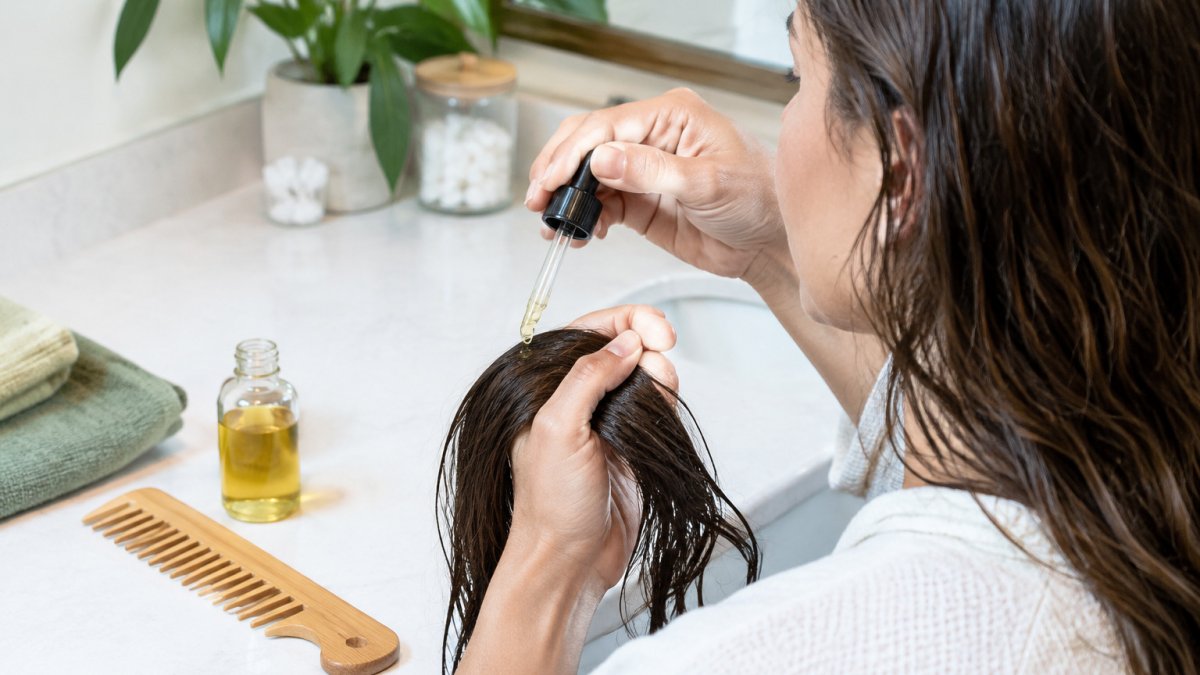
Targeted Scalp Placement and Massage Technique
Scalp placement matters more than the amount. Part the hair into small sections and place the oil directly on the skin, not on the hair shaft above it.
Use small circular motions with your fingertips, not your nails. Gentle pressure for two to three minutes is enough to stimulate circulation without irritating sensitive skin. A common mistake is massaging hard and treating the scalp like a stress ball, which can leave skin red and tender.
Watch out: Rosemary oil is strong. Patch test on a small area of skin first, and stop using it if you notice redness or itching.
Pre-Wash Treatment or Leave-In: Which Method to Choose
Most greasy-root complaints come from leaving the oil in too long. A pre-wash treatment is the safer choice for most people, because you wash the oil out before it can build up.
- Pre-wash: Apply 20-30 minutes before shampooing. This suits fine and oily hair.
- Leave-in: Apply a very small amount to the lengths only. This suits dry or coily hair that needs moisture between washes.
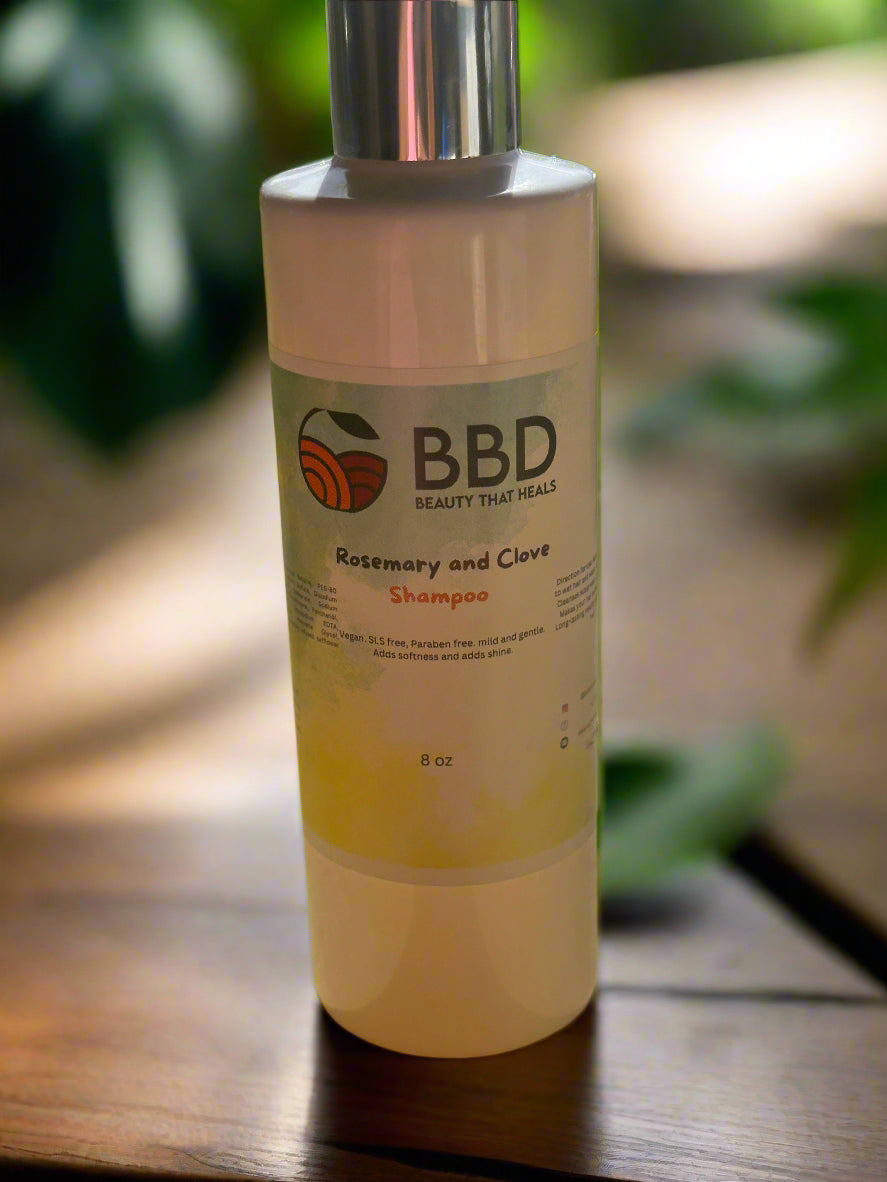
Our Rosemary and Clove Shampoo is a gentle, SLS-free option that can be used as the wash step after a pre-wash treatment.
How Often to Use Rosemary Oil for Hair Growth
For most people, once or twice a week is a sensible routine. Using it daily raises the chance of buildup, especially on fine or oily hair.
Consistency matters more than frequency. Keep a simple log for two to three months so you can see how your scalp responds. Hair growth is slow, and the oil supports a healthy scalp rather than producing fast results.
Can You Leave Rosemary Oil in Your Hair Without Washing It?
You can, but only in small amounts and only on the lengths. Leaving oil on the scalp overnight is where greasy roots usually begin.
If you want a deep treatment, wrap your hair in a shower cap for 30 minutes, then wash it out. Our Ayurvedic Hair & Scalp Oil can also be used as a deep treatment, covered with a shower cap for 30 minutes or overnight. Overnight treatments work better for thick or coily hair, and they should still be applied to the mid-lengths and ends rather than the scalp.
Is Rosemary Oil Good for an Oily Scalp?
Rosemary oil can suit an oily scalp when used in very small amounts and washed out well. The main risk is adding more oil to a scalp that already produces plenty of its own.
For oily scalps, apply one to two drops, massage briefly, and wash within 20 minutes. Skip the leave-in method entirely. If your scalp is oily, the wash step matters more than the oil itself.
Fixing Greasy Roots and Booking Your Next Wash Routine
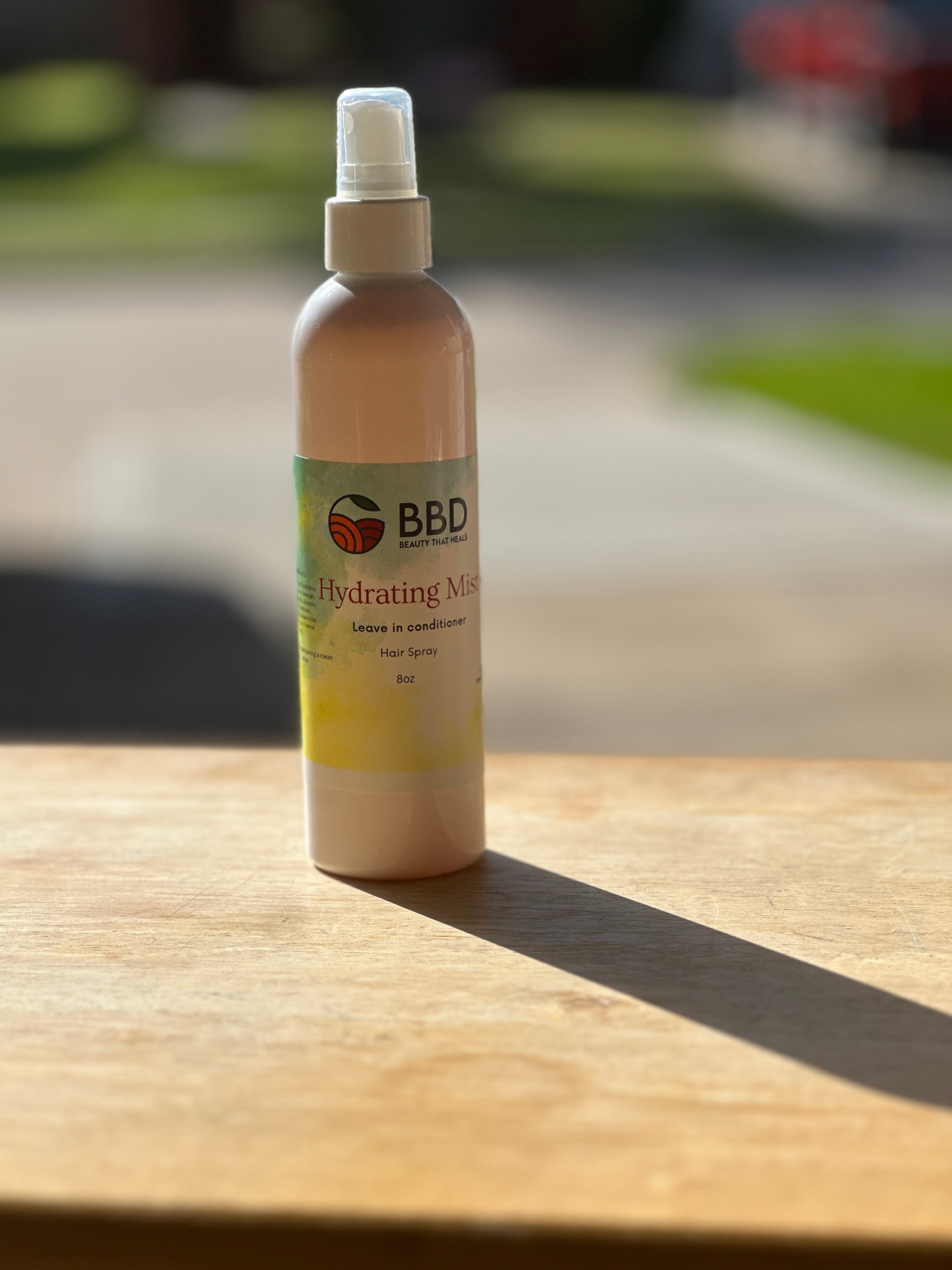
If your roots already look greasy, start by washing with a gentle shampoo and checking how much oil you used. A lightweight hydrating mist can refresh hair between washes without adding more oil to the scalp. Reduce the amount by half and move all application away from the crown.
Set a wash day that fits your hair type, usually every two to four days for oily hair and less often for drier hair. Keep a note of which days your roots feel fresh and which days they do not, then adjust your oil amount and timing from there.
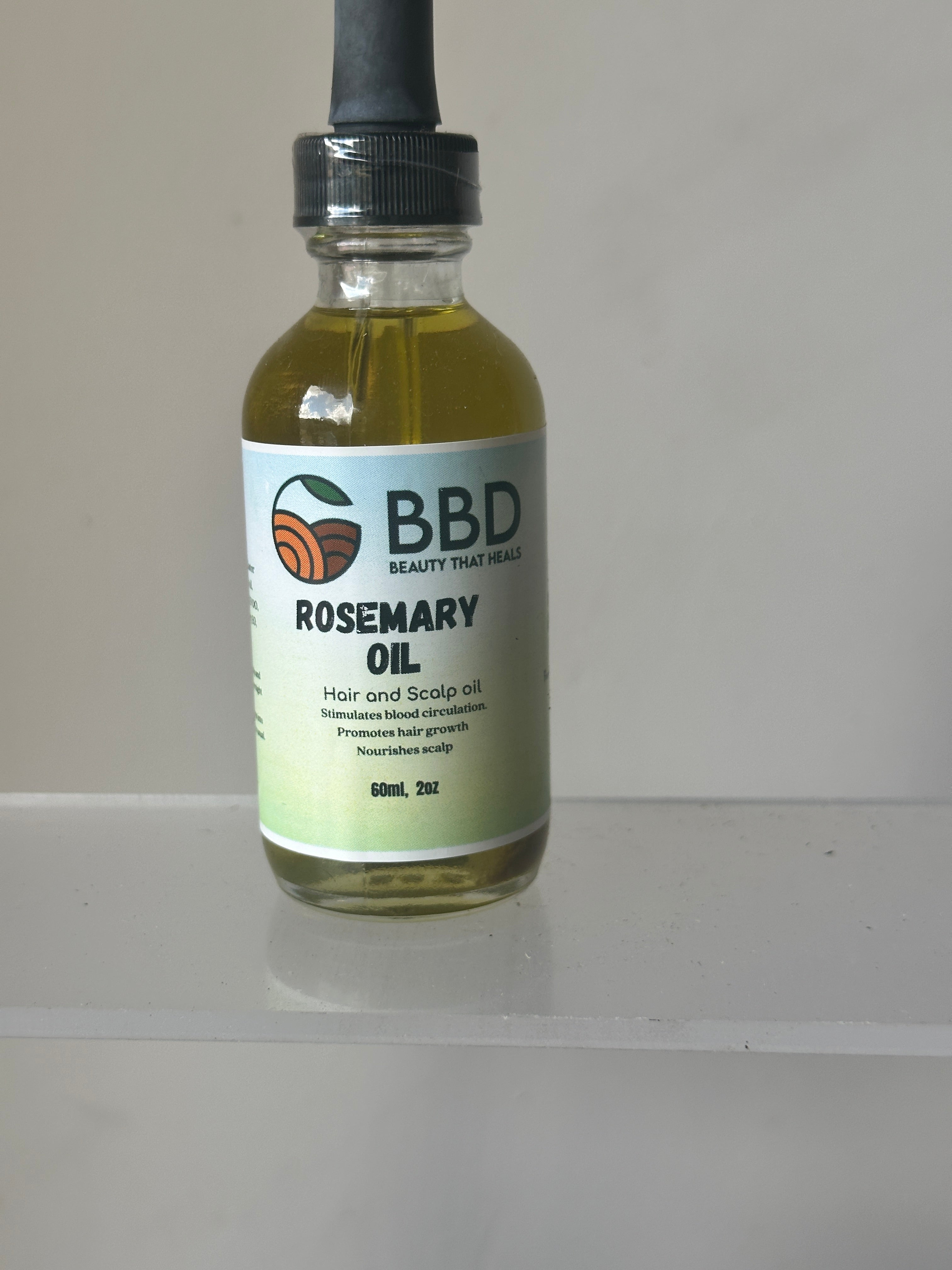
Ready to build a routine that keeps your roots fresh? Start with our Rosemary hair and scalp oil, then pair it with the matching rosemary shampoo to wash it out cleanly. At Bloom and Beauty by Daisy, we make botanical haircare that fits into real life, so you can take care of your hair without weighing it down.
Frequently Asked Questions
Why does my hair look greasy after using rosemary oil?
Greasy-looking hair after rosemary oil usually comes from applying too much, or from putting it directly on the scalp at the roots. Oil that sits on the scalp mixes with natural sebum and makes the roots look flat within hours. Start with two to three drops per section, keep the product off the first half-inch from the scalp unless you are doing a treatment, and wash out the oil with a gentle shampoo such as the Rosemary and Clove Shampoo. If roots still look heavy, reduce the amount further before changing products.
How often should you use rosemary oil for hair growth?
Most people start with one to two applications per week and increase only if their scalp tolerates it well. Using rosemary oil daily can leave residue that weighs hair down, especially on fine or oily hair. Pair applications with your regular shampoo day so the oil is removed consistently. Give any routine at least six to eight weeks before judging results, since hair grows slowly and changes are gradual.
Can you leave rosemary oil in your hair without washing it?
You can leave a small amount in place for a short period, such as during a pre-wash treatment, but leaving it in for days tends to cause buildup and greasy roots. For a deeper treatment, the Rosemary Hair and Scalp Oil can be left on for about 30 minutes under a shower cap or overnight on the mid-lengths and ends. Rinse or shampoo the next morning, and do a patch test first if you have sensitive skin.
Is rosemary oil good for an oily scalp?
Rosemary oil can suit an oily scalp when used sparingly, because it is lightweight and can be washed out easily. The problem is that heavy application adds oil to a scalp that already produces plenty of it. Keep the oil on the lengths rather than the roots, use it only on scalp areas that feel dry or irritated, and wash more often if needed. If oiliness persists or your scalp becomes itchy or irritated, stop use and consult a dermatologist.